Australia and NZ


The Perth waterfront has been an under-used asset, but now Western Australia’s capital city is finally making the most of it with the $2.6billion Elizabeth Quay project covering nearly ten hectares of prime riverfront land between Barrack and William streets in the heart of the city. The project will create a magnificent precinct featuring a newly dug 2.7 hectare inlet surrounded by a split level promenade, shops, cafés, restaurants and other exciting entertainment venues.


Rio Tinto is the first of the big diversified miners to report its annual production figures for 2013, which showed strong growth despite industry concerns of weakening Chinese demand for steel.

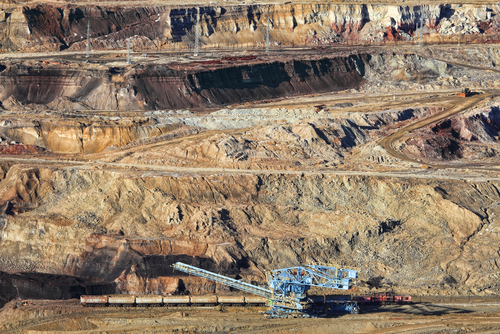
The Anglo-Australian mining giant produced 70.4 million tonnes of iron ore in the fourth quarter, a six percent increase on the same period in 2012. It comes at the same time that the company implements a series of cost cuts that has seen it reduce exploration costs alone by $1 billion.


The report predicts that employment in the mining sector will rise by 7.4 percent over the next four years, with the oil and gas sector providing the largest number of new jobs. However, with this comes the need for new skills to be adopted amongst the workforce.


It was in 2011 that Range Resources entered into the oil market of Trinidad. A listed oil and gas exploration, development and production company already boasting interests in Puntland, Somalia, Texas, USA and the Republic of Georgia, Range’s arrival on the Caribbean’s southernmost island nation was instigated through the acquisition of 100 percent interest in three production licences, Morne Diablo, South Quarry and Beach Marcelle.


GEG’s fourth acquisition in Australia cements the country as its largest market outside of the UK.

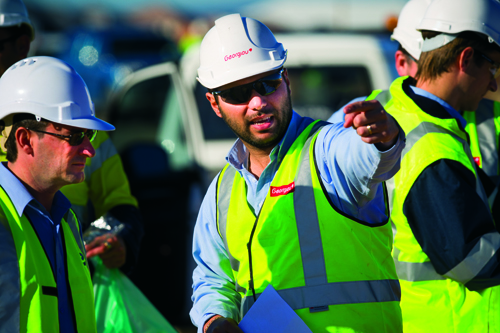
In taking on Cunningham Construction from its New Zealand parent company GEG has not only captured the expertise of a prominent resource management provider to Australia’s mining sector, specialising in scaffolding and rigging, but also added an additional A$13 million in turnover to its A$100 million Australian portfolio.


Rio has said it will receive a total of $1.02 billion from the sale of the mine in Queensland State, Australia, where the coal that is mined is burned to produce electricity. "The sale... will allow us to realise value for our shareholders as we continue optimising our portfolio," a Rio statement said. Rio say made a point of saying that it remained "committed to a long-term future in central Queensland" at its other mines.


That was the message delivered by Boasteel president He Wenbo to Australia’s Trade Minister Andrew Robb, on a visit to China.

Mr Robb, the first Coalition minister to visit China since the September election, said yesterday Baosteel president He Wenbo was positive about tax changes proposed by the new government. Mr Robb said the Baosteel chief was pleased with the Coalition's promise to roll back the carbon and mining taxes put in place by the previous Labor government.


The new Prime Minister of Australia, sworn in today, has pledged his government to abolish the country’s carbon tax, and within 100 days to introduce legislation to abolish the mining tax that has been blamed for damaging jobs and investment.

However the mining community can’t breathe easily quite yet. When Labor introduced the mining tax on 1 July 2012, it also extended onshore the petroleum tax and imposed the tax on Australia’s largest gas exporting facility the North West Shelf LNG project: that measure will be retained.


Balancing risks against opportunities is always a difficult call, and it is a problem that ASX listed Middle Island Resources takes very seriously. That is why the company, which was established to develop gold prospects in West Africa, has focused on countries that have an ‘acceptable’ level of sovereign risk, and in which there has been some precedent of successful mining.