Australia and NZ


Western Australia's Pilbara region is best known today as one of the world's biggest sources of iron ore and manganese – principally the former. These minerals are shipped out of Port Hedland to the hungry markets of north Asia and India, where demand for steel seems insatiable and likely to hold up for a good many years to come. In 2012, out of a total of 245 million tonnes of every kind of cargo that was exported through Hedland, 97 percent was accounted for by iron ore, 0.8 percent by manganese.


It marks the first time that Australia’s central bank will invest in sovereign bonds of an Asian country other than Japan. It follows events of earlier this month when the Australian dollar became the third currency to trade directly with the Chinese yuan.


Hot on the heels of achieving the long awaited approval from the federal government of Australia to proceed with its Wiluna uranium mine Toro Energy has entered talks with seven potential partners in Japan, China and South Korea. Though Australia does not generate nuclear power domestically it is an extremely attractive source of nuclear fuel to Asian countries that do – politically and economically stable and geographically accessible.


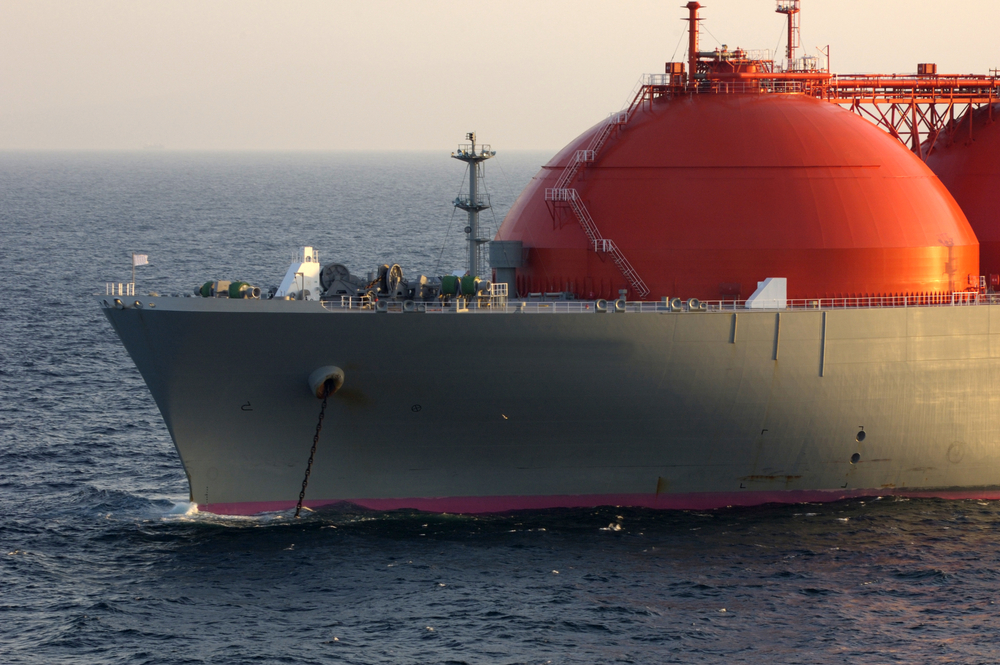
Measuring approximately 0.3 miles in length the vessel will be almost as long as five football fields and take the crown of being the largest floating facility in the world.

Plans for the vessel represent the next stage in the two company’s plans to develop the Scarborough field using floating LNG. Analysts also see the move as the latest vote of confidence for what is still very much an untried technology. Nevertheless, energy companies remain hopefully that it will help bring down the rising cost of developing gas.


The Australian dollar is so strong that it is beginning to be looked at internationally as a reserve currency.

Whatever the reason it can’t be simply because it has been talked up by Julia Gillard. In February the Prime Minister predicted: “Our dollar is likely to remain relatively high for years to come.”


The Pilbara’s red earth, splendid scenery and vast extent combine to create the image of Australia that has caught the imagination of generations. The top-left corner of Western Australia is home to a population that has inhabited it continuously for over 40,000 years; to them it is a very precious landscape. However, today there is another dimension to that value, because the region is rich in the most useful mineral to mankind—iron.


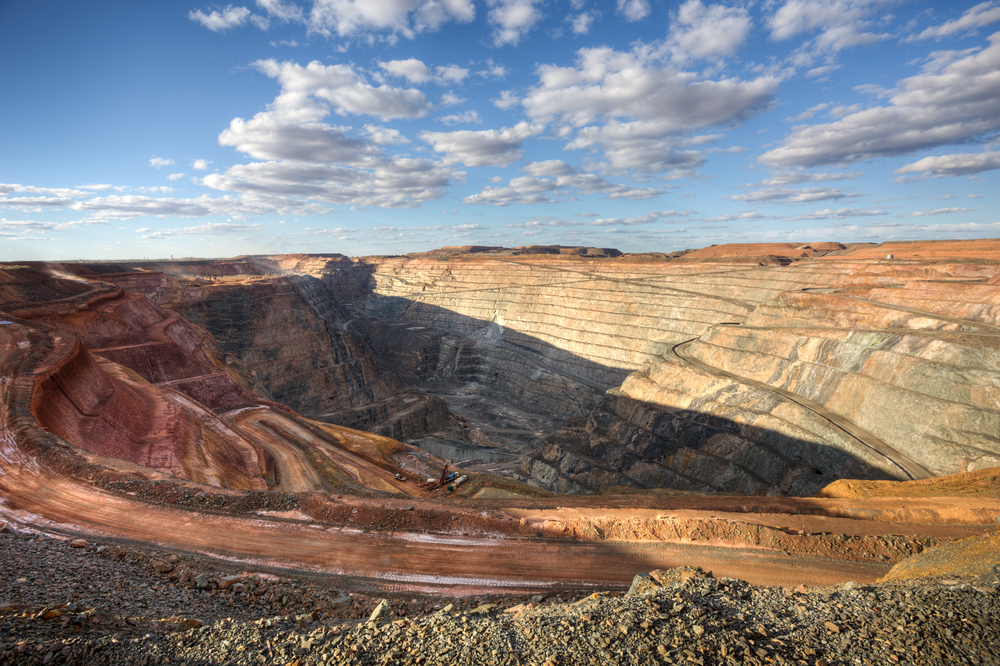
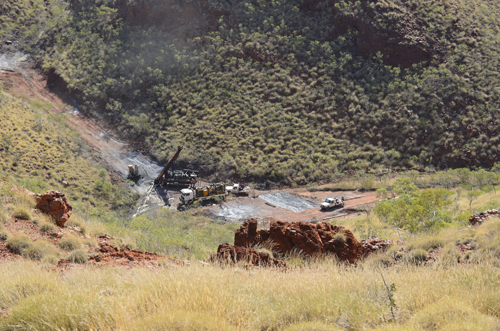
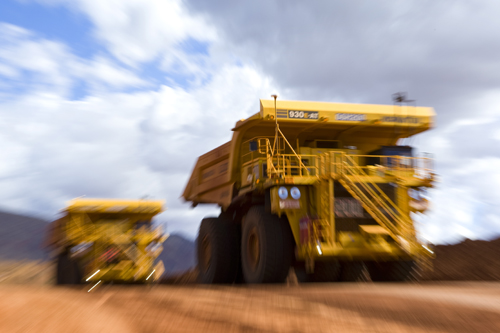
Against a backdrop of low, weathered mountains and the scorched desert of north Western Australia lies the Pilbara, the closest sizeable reserve of iron ore to the rapidly expanding Chinese and Indian markets. It is here amidst some of the oldest rocks found on Earth that Rio Tinto is mining some of the planet’s largest iron ore deposits.


It is expected that this time-saving functionality will enable users to gain a rapid interpretation of mineral’s properties while actually in the field, this eliminating the need for geologists to wait for lab results to verify what they are working with.

XRF machines are portable geochemical analysers designed specifically for in-field mining and exploration use. By scanning a sample, an XRF machine provides users with an immediate analysis of elements.


In the present century alone Brisbane’s population has grown from 3.5 million to more than 4.5 million. That is projected to double by 2031 requiring at least 156,000 additional dwellings to be built. With this growth comes an inevitable increase in traffic congestion. A recent report found that 340 kilometres of Brisbane’s roads are at or above or capacity, and estimates this will jump to 720 kilometres by 2031. 


Barrick Gold’s Granny Smith property in the Western Australian outback is a hotbed of mining industry best practice, technical innovation and community initiatives: with more gold defined annually it has turned into a long term asset.