Africa


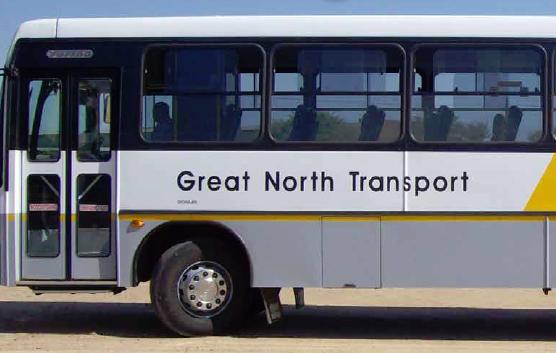
The importance of a reliable and safe bus service cannot be underestimated in South Africa. Mphumudzeni Muneri talks to Andrew Pelis about how Great North Transport has driven home a competitive advantage based on reputation.


Public transport in South Africa has long been a topic of much debate. Today, competition remains as rife as ever, despite the recent downturn in the economy. One company that has ridden out the tough times better than many has been Great North Transport (GNT).
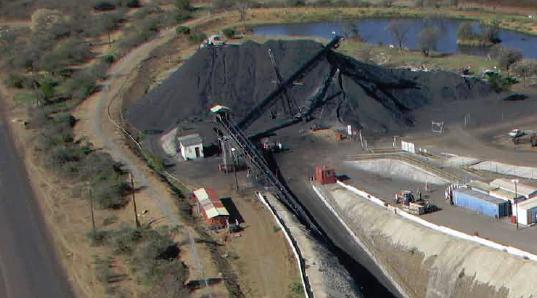
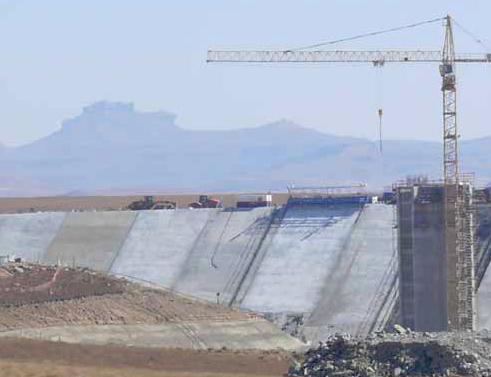
Mozambique is on the brink of a transformation driven by its mineral resources; and Riversdale Mining is bringing some much needed expertise and capital to the party, as chief operating officer Andries Engelbrecht tells John O’Hanlon.


Riversdale Mining, a resource company with its headquarters in Sydney, Australia, was set up in late 2004 by a group of experienced coal mining professionals interested in exploration, mining and development projects.


Considering that South Africa is floating on a bed of coal, it’s not surprising that 93 per cent of all the country’s electricity comes from that particular energy source. Wherever minable amounts of coal have been found, there too you’ll find an Eskom power station.


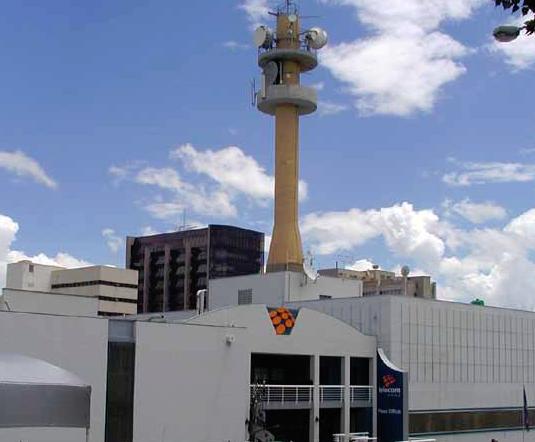
Namibia’s telecommunications infrastructure is currently undergoing amazing transformation. Andrew Pelis learns exactly why Telecom Namibia has been recognised for the impact its work has had on the creation of a vibrant national business environment.


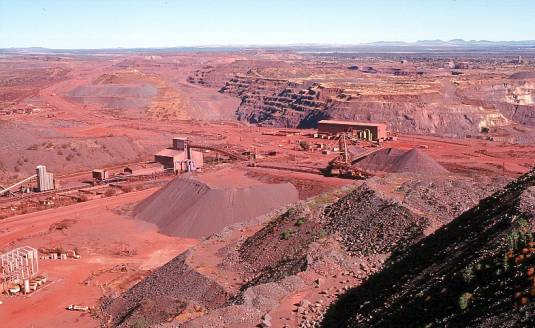
ArcelorMittal South Africa has offered to pay R800 million for Imperial Crown Trading (ICT), which holds rights to a 21.4 per cent prospecting stake in Kumba Iron Ore's Sishen Mine.

ArcelorMittal used to own the ICT stake, but lost it last April when it failed to convert it in line with new legislation.

Anglo American subsidiary Kumba owns the remaining mining rights to the Sishen project, which supplies ore to ArcelorMittal at a preferential rate, following an agreement made in 2001.


South Africa is continuing to embrace the need for change through its Black Economic Empowerment (BEE) initiative. Gavin Davids tells Andrew Pelis how management restructuring in line with BEE means the sky is now the limit for Ruwacon.


Perhaps the biggest industrial change in South Africa in recent times has been the introduction of Black Economic Empowerment (BEE), a tool that encourages businesses to hire, train and give ownership to the country’s black community.


Warehousing and distribution in South Africa faces many challenges, from high maintenance costs through to the lack of a skilled workforce. Managing director David Leisegang discusses with Andrew Pelis how Rennies Distribution Services has continued to hold its own.


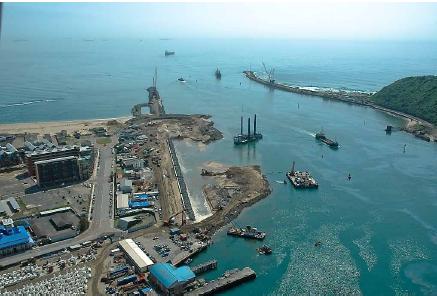
The Port of Durban, catering for all cargo sectors and especially containers, automotive and bulk liquids, continues with its infrastructure investment programme in order to meet the needs of shippers and the South African industries they serve. Dave Ward, project manager for Transnet National Ports Authority (TNPA), told John O’Hanlon how the Durban Harbour Entrance Widening & Deepening (DHEW) project is taking the port into the era of the big ships.


Providing a retail foodservice to a largely poor population throws up its own challenges, as Alan Swaby learns.


There won’t be many national chains of retailers anywhere in the world that have outlets measuring from just 100 square metres, but that’s the reality of doing business in Malawi.