

At 5,200 metres above sea level, underground development stops being an abstract engineering exercise and becomes something more exacting: a test of systems, endurance, logistics and judgment. Every metre advanced underground in such conditions asks harder questions of people, equipment, ventilation, support installation and schedule discipline. In Peru, few contractors have built a longer record in answering those questions than AESA Minería.
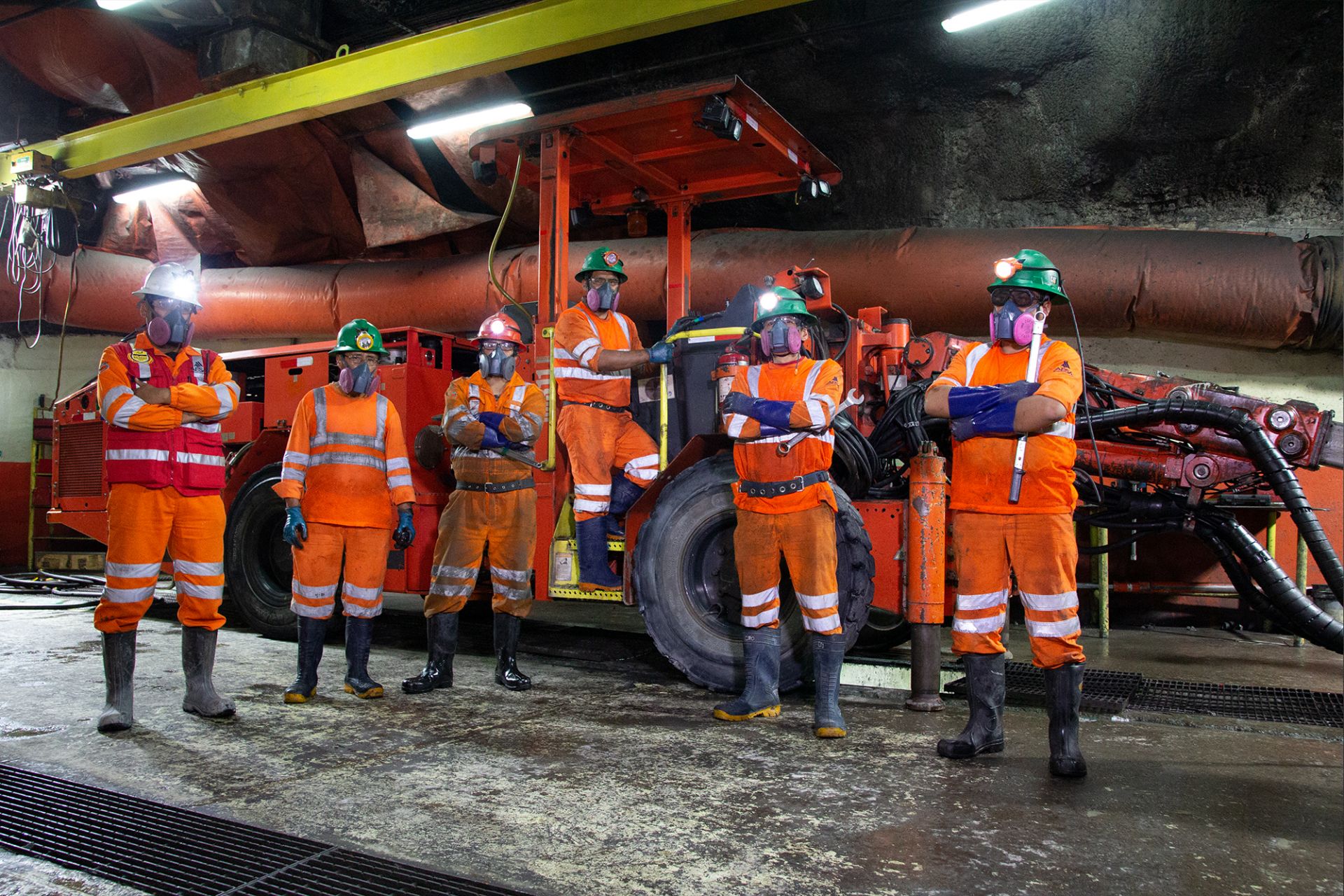
Founded on June 22, 1990 as part of Lima-based Breca Group, AESA — formally Administración de Empresas S.A.C. — began as an internal vehicle to serve mines within the group’s orbit, particularly Minsur and Raura. But the company did not remain a captive contractor for long. Over time, it expanded beyond the Breca ecosystem and grew into one of Peru’s best-known specialist contractors for underground mining infrastructure and civil works, with more than 1,000 kilometres of tunnels completed and a workforce of more than 2,300 collaborators drawn from communities across the country. Its client base now includes Glencore, Minsur, Volcan, Nexa Resources, Yanacocha, Buenaventura, Pan American Silver and El Brocal.
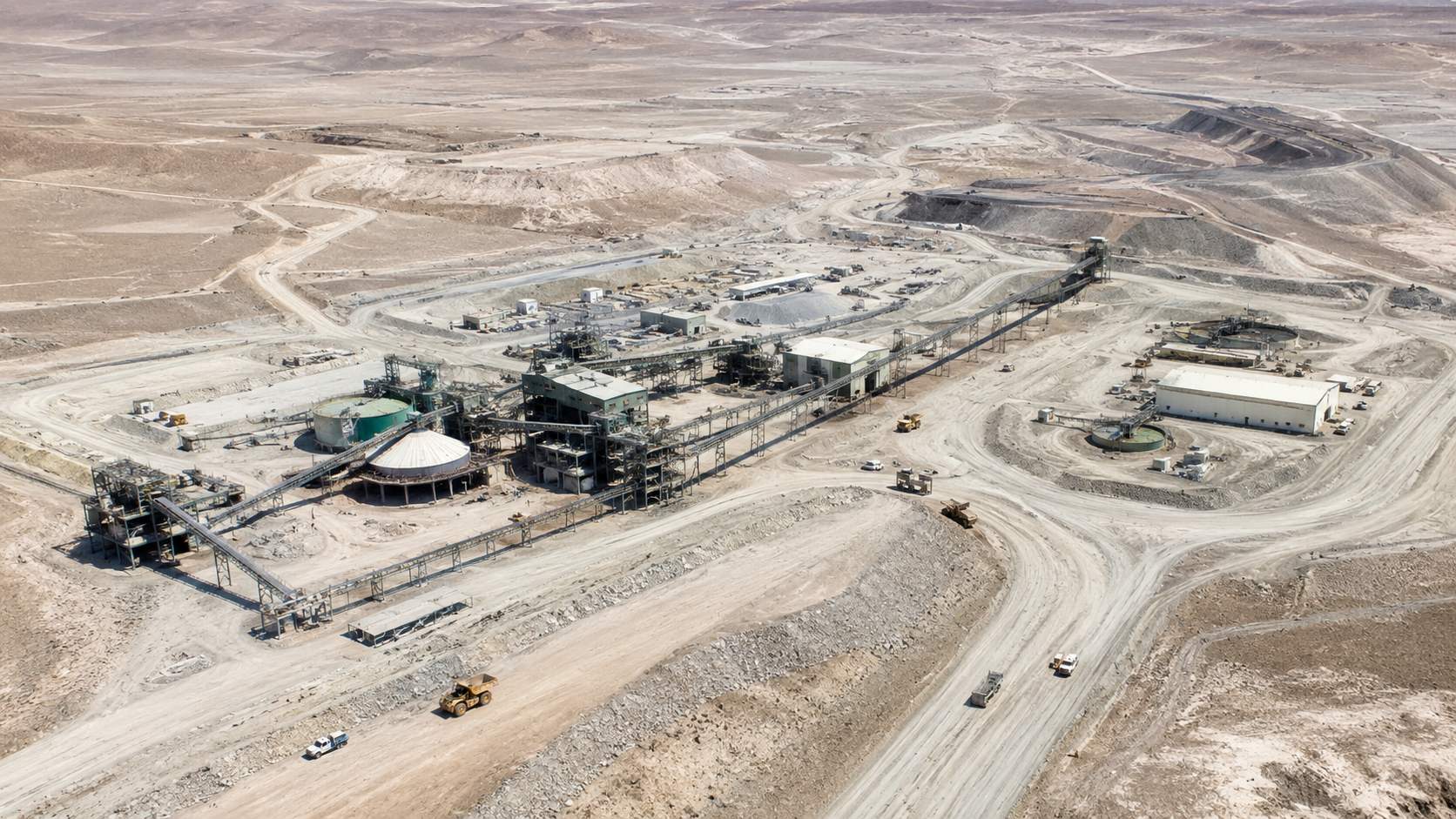
That roster is important, but the terrain may be even more revealing. AESA’s operating footprint is concentrated in the Peruvian highlands, where altitude, remoteness and geology can quickly expose the difference between a contractor that is merely capable and one that is deeply seasoned. The company’s long-running work at San Rafael, the major tin mine in Puno operating at 5,200 masl, stands as perhaps the clearest demonstration of that experience. Raura, another long-term assignment, sits at 4,750 masl. San Cristóbal is at 4,684 masl. Chungar is at 4,600 masl. In that kind of operating envelope, underground contracting becomes less about unit-rate competition and more about risk control, repeatability and the ability to keep work moving under conditions that punish inconsistency.
AESA’s history suggests it understood early that scale in underground mining would require mechanisation, not just manpower. A key turning point came in 2000, when the company acquired its first jumbo drill, marking the formal beginning of mechanised underground operations. That investment helped shift AESA from conventional contracting into a more productivity-driven and safety-conscious operating model, creating the base from which it would later compete for increasingly demanding work. The growth of the client portfolio after that point is telling: Pan American Silver and Barbastro in 2003, resilience through the 2006 metal price downturn, then a major expansion in 2010 as Glencore, Milpo/Nexa and Volcan came onboard.
The 2015 Chaquicocha Tunnel contract at Yanacocha appears to have been another watershed. The brief frames it as a major qualification step, signalling that AESA had met the safety and quality expectations associated with one of Latin America’s most significant gold operations. By 2018, annual revenue had reached $120 million, up sharply from $25 million in 2006. The brief now estimates revenue at roughly $511 million in 2024–2025, a striking trajectory for a contractor whose story is presented not as one of acquisition-fuelled expansion, but of repeated contract wins, deeper technical relevance and durable customer trust.
That durability may be one of the company’s strongest differentiators. The source material highlights two moments that often separate robust contractors from fragile ones: the 2006 metals downturn and the 2020 pandemic shutdown. In the first case, AESA’s clients reportedly continued renewing contracts despite a severe price collapse. In the second, the company is described as having protected jobs and returned to full operations by December 2020 without restructuring, supported by a strong pre-crisis balance sheet. That matters in mining infrastructure, where owners are not merely buying excavation or support installation; they are buying continuity under stress.
Breca’s ownership is central to that continuity story. The group’s role as owner of mining assets such as Minsur and Raura gives AESA a perspective that many pure contractors lack. According to the brief, CEO Gianflavio Carozzi Keller has experience spanning finance, sales, planning, contract management and both underground and open-pit operations, with earlier roles at Minsur itself. That dual viewpoint — contractor and mine-owner mindset — is a recurring theme. It suggests AESA is not positioning itself simply as an executor of scope, but as a partner that understands how underground development decisions affect the broader mine plan, capital efficiency, risk exposure and long-term asset performance.
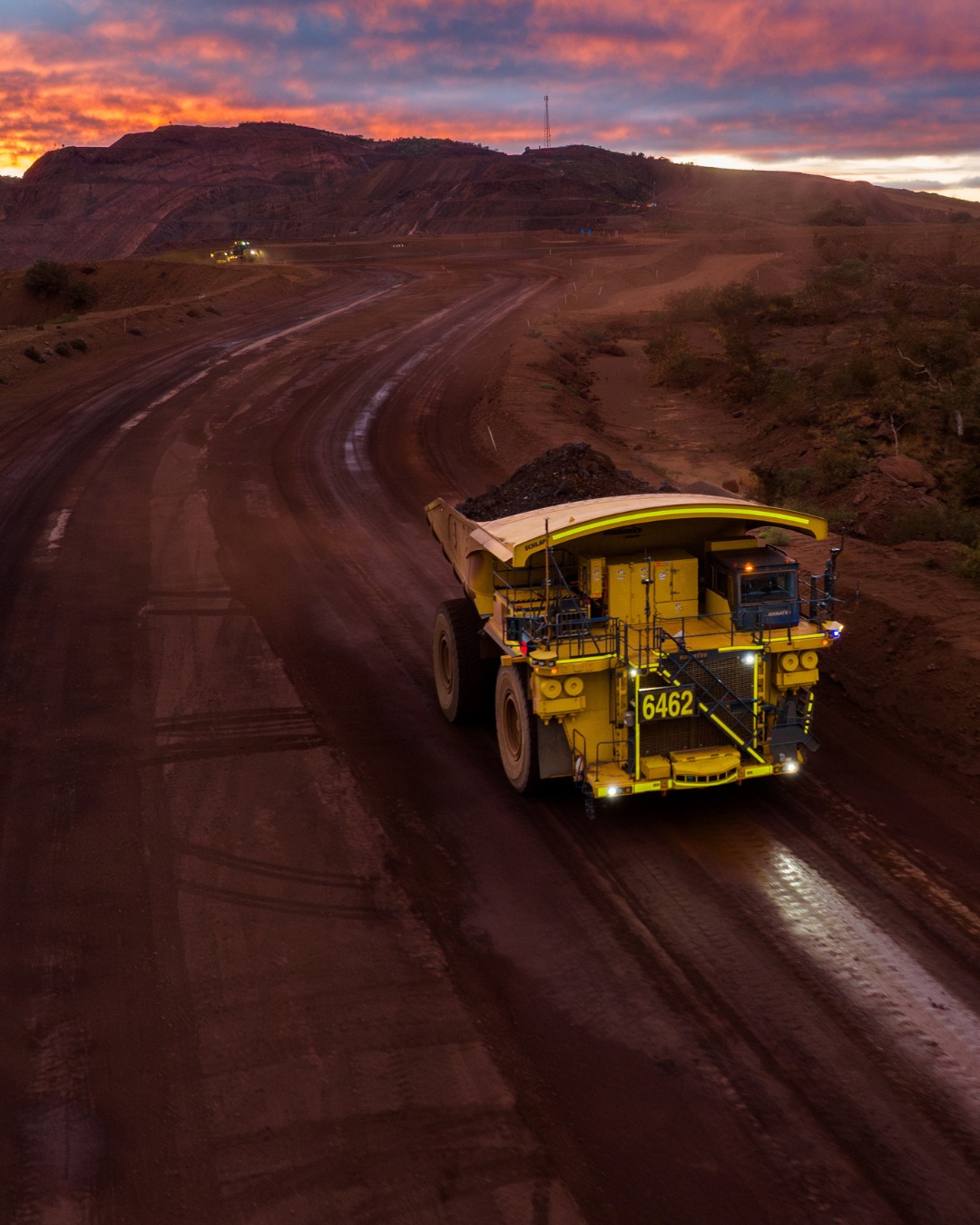
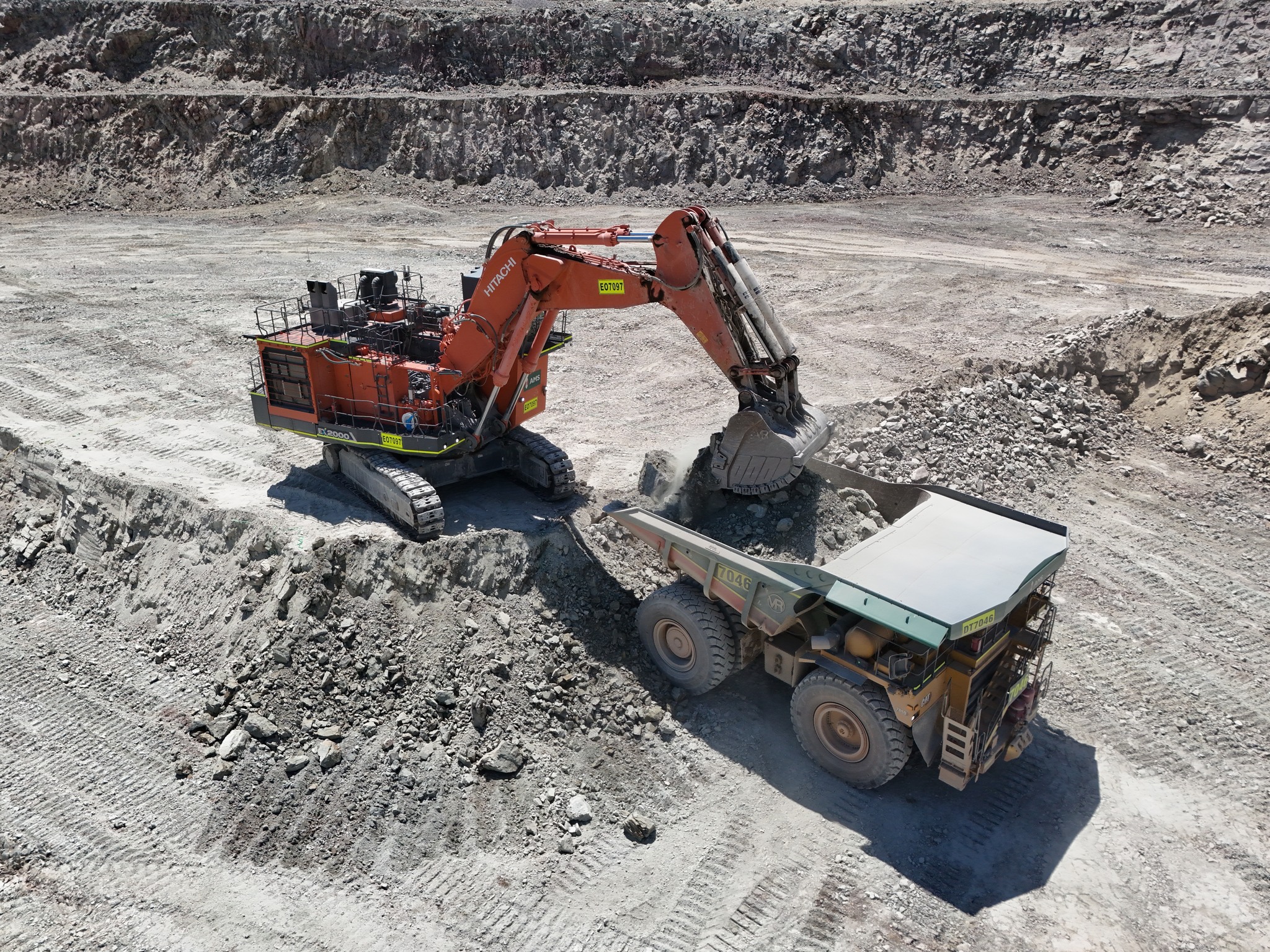
That distinction becomes more important as underground mines grow more infrastructure-intensive. AESA’s capabilities go well beyond tunnel advance. The company’s service lines include galleries, crossings, ramps, chimneys and loading areas; surface and civil earthworks; mechanised ground support and shotcrete; maintenance and conditioning of underground and surface installations; and the transport and mobilisation of material within and from mine sites. In other words, AESA is not only helping create underground access. It is participating in the ongoing physical system that allows a mine to function safely and efficiently once those openings exist.
That systems view is likely one reason the company has remained embedded across long-lived operations. The brief points to active work at Raura, San Cristóbal, Chungar and San Rafael, alongside delivered or major work at Yanacocha, Izcaycruz, Cerro Lindo, Huaron, María Teresa and other important Peruvian sites. It also points to a joint venture with Redpath Mining for the Yanacocha Sulfides bid, one of the country’s more significant future underground developments. If secured, that kind of opportunity would place AESA at the center of exactly the kind of complex, deeper, future-facing underground work that appears to be expanding in Peru.
And that is the larger backdrop to the AESA story: Peru’s mining market is not standing still. The attached brief describes a 67-project active mining portfolio valued at $64.1 billion, with $7 billion in new projects projected to begin construction in 2026. It also argues that Peru’s historically open-pit-dominated copper sector is shifting toward deeper and more technically demanding extraction — a structural trend that aligns directly with AESA’s niche. Whether one calls it a supercycle, an underground transition or simply the next phase of Peruvian mining, the implication is similar: the technical demands on underground contractors are rising, and companies with proven altitude, support, mechanisation and risk-management credentials may become more rather than less valuable.
AESA appears to understand that the next competitive battleground will not be won on track record alone. The brief places significant emphasis on Mining 4.0, noting ISO 45001:2018 certification in 2023, deployment of an Epiroc Boomer simulator, participation in future-of-mining forums, and active planning for remote operations, autonomous equipment and electrification. Carozzi is described as identifying the industry’s next challenge as the transition from conventional equipment and staffing models to more specialised, remote and automated operations. For a labour-intensive contractor with a 2,300-plus workforce, that is not a small pivot. It is a strategic one.
The most interesting part of the brief may be that it does not present this transition as purely technological. It presents it as relational. AESA is described as moving from a transactional contractor model toward a strategic partnership model — one aimed at better alignment with mine owners, stronger risk management and more symbiotic project delivery. That language matters because underground development is rarely just a matter of metres advanced. It affects ventilation timing, access sequencing, geotechnical exposure, capital deployment, production readiness and ultimately mine value. Contractors that can insert themselves credibly into that wider conversation gain a position that is harder to displace.
None of this removes the risks. The brief acknowledges Peru’s political volatility, the reality of community conflict, permitting delays and AESA’s concentration in a single national market. It also notes the coming disruption of automation and the challenge of upskilling the workforce accordingly. Those are real constraints, not footnotes. Yet the same material argues that AESA carries several buffers: strong Breca backing, long cycle-survival experience, a local employment footprint that supports social embeddedness, carbon tracking dating back to 2019, and a leadership team already speaking in terms of automation, partnership and long-term capability building rather than short-term contract capture.
For Business Excellence Infrastructure Magazine, AESA’s relevance lies in more than company scale. It lies in timing. Peru’s mining future is becoming deeper, more complex and more dependent on technically confident underground partners. AESA, with 35 years of operating history, 1,000-plus kilometres of tunnels, long-standing blue-chip relationships and a clear push toward Mining 4.0, is trying to position itself not just as a contractor that has lasted, but as one built for the next chapter of the Andes underground.
Fact box
AESA Minería
Legal name: Administración de Empresas S.A.C.
Founded: June 22, 1990
Parent group: Breca Group
Headquarters: Calle Las Begonias 441, San Isidro, Lima, Peru
CEO: Gianflavio Carozzi Keller
Employees: 2,300+
Estimated revenue: ~$511 million
Core focus: Underground mining infrastructure and civil works
Certification: ISO 45001:2018
Regulatory status: Specialized mining contractor under Peru’s General Directorate of Mining
Carbon tracking: Since 2019
Selected active/strategic work:
Raura; San Cristóbal; Chungar; San Rafael; Yanacocha Sulfides JV bid with Redpath Mining; San Rafael Repositioning; Raura Replacement pipeline.
Key capability areas:
Underground development; surface and civil earthworks; ground support and shotcrete; maintenance and conditioning; material mobilisation; Mining 4.0 transition planning.
https://www.aesa.com